
Before & After Photos
Click on a photo to enlarge.
Paper Wasp Nest Gets Knocked Down Before It's Finished in Rumson, NJ
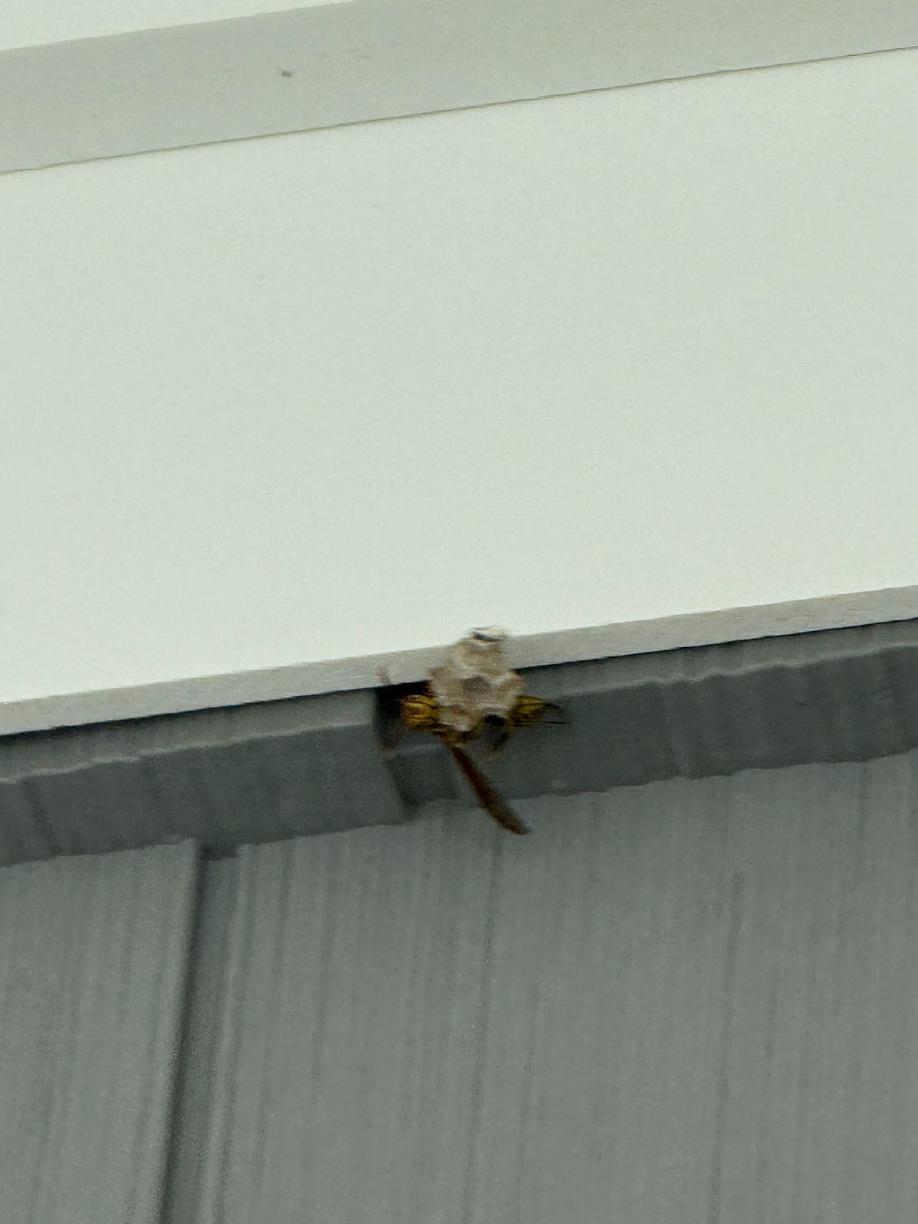
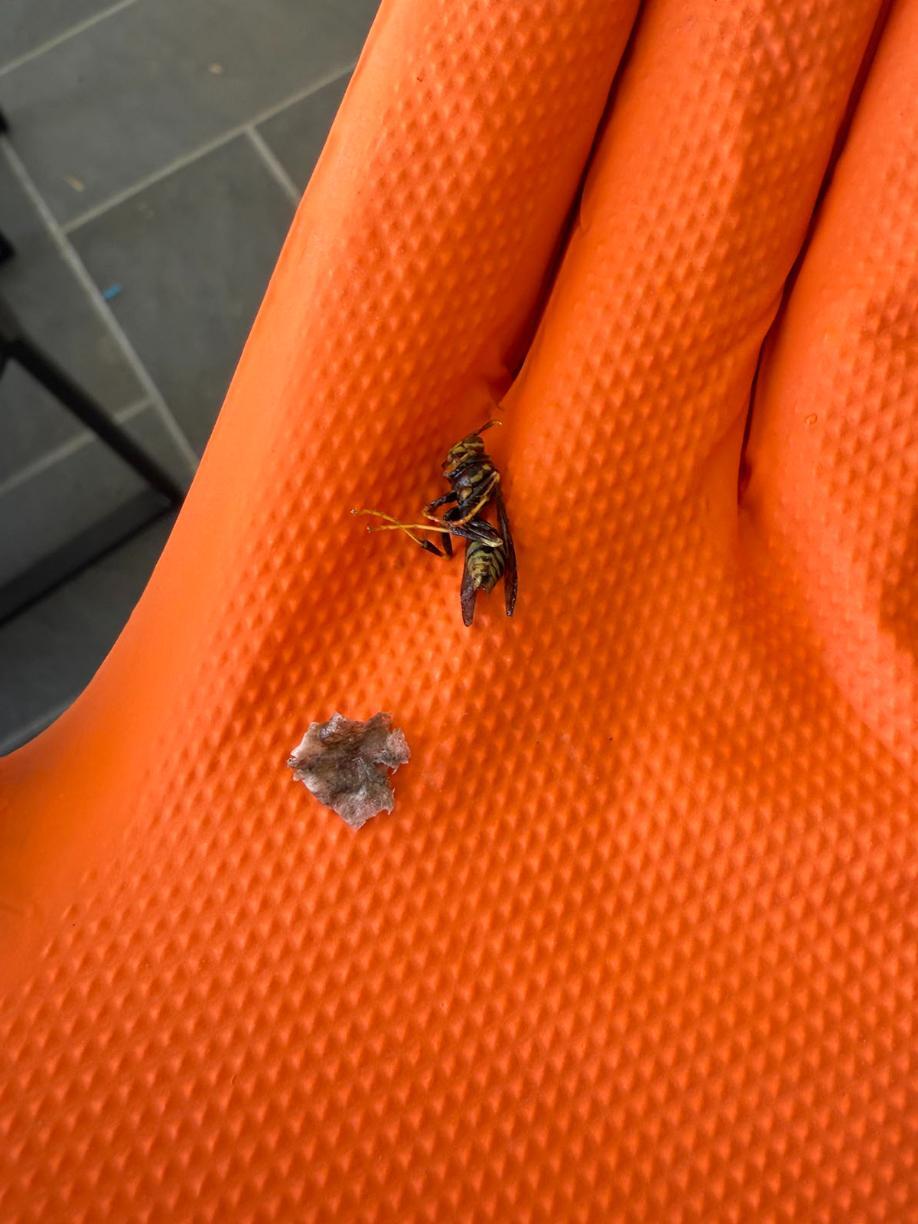
As we were servicing this customers property in Rumson, NJ we stumbled upon a few paper wasps beginning to build their nest up underneath the second story window. Paper wasps received their name from the paper-like material out of which they make their nests. They are semi-social stinging insects that usually have brown bodies with yellow or reddish markings. A sting from a paper wasp can be extremely painful and can cause allergic reactions in some people.
We grabbed our extendable pole, attached a knockdown dusting application to it, and liberally treated the nest. This product rapidly neutralizes the paper wasps. A short while later we removed the nest, disposed of it, and applied a residual application to the area to prevent the paper wasps from returning and building a new nest.
Pigeons Will Stay Out with Bird Netting in Avon by the Sea, NJ
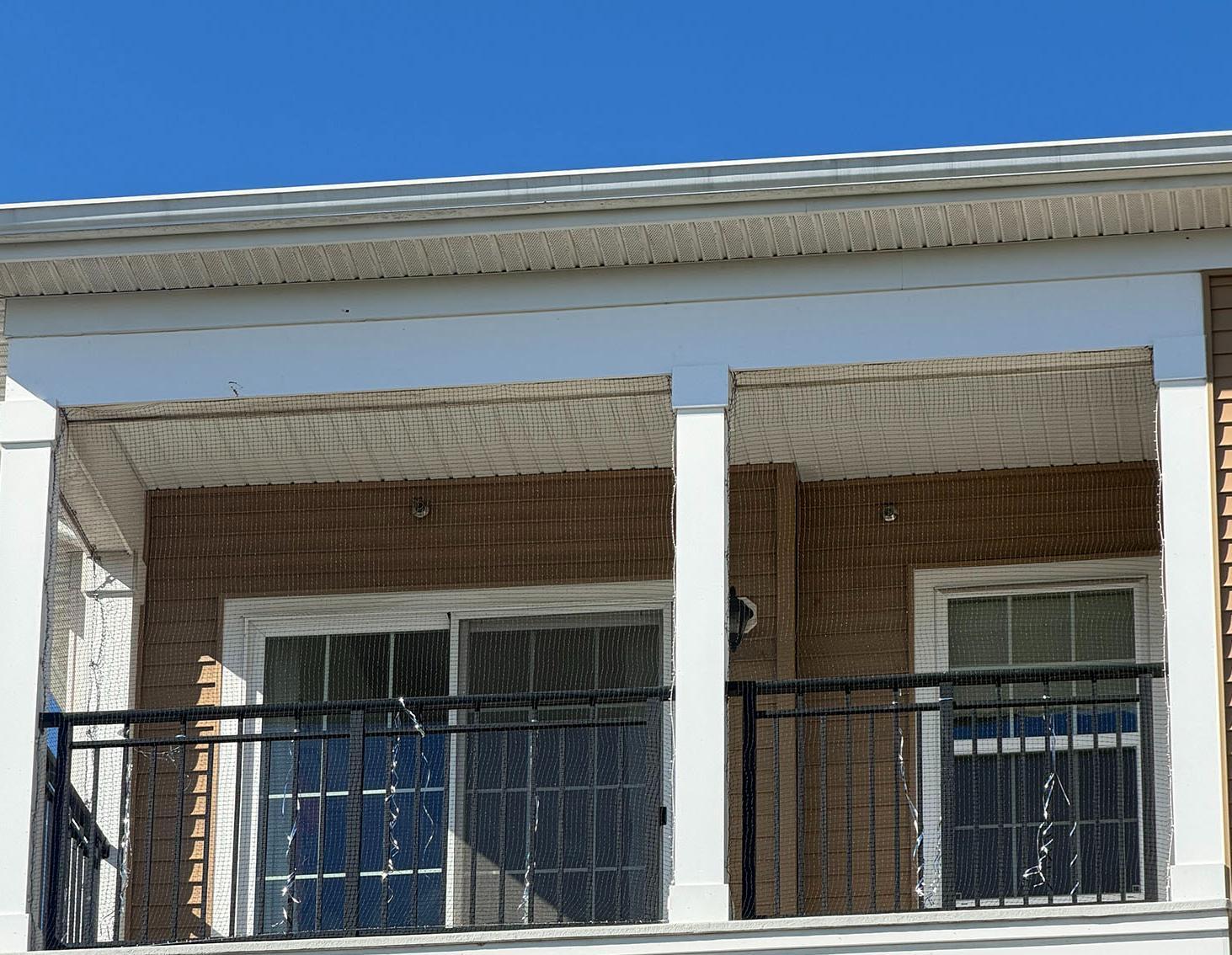
A property manager of a condo association in Avon by the Sea, NJ contacted our Bird Solutions department seeking assistance to prevent pigeons from roosting and defecating all over the balconies of several condo units.
First we removed all of the nesting debris and carefully disinfected the harborage areas. Once that was done we installed bird netting. To make sure the bird netting is secured, we're using a stainless steel cable with net spikes and are anchoring it into the walls. We then locked the cables in place using copper ferrules and then installed turnbuckles which tighten the cable. Bird netting is a 3/4 inch, heavy duty polyethylene bird netting that's used to humanely block the pigeons from entering any unwanted areas. It creates an impenetrable barrier that denies all nuisance birds the access to the patio and removes the landing areas for them.
The pigeons will fly around, realize they can't enter, and move on.
Turkey Vultures Destroy Ocean Township NJ Commercial Building


The property manager of a professional services building in Ocean Township, NJ, observed turkey vultures landing on the peak of the roof. The primary nuisance birds in New Jersey are pigeons, house sparrows, starlings, and seagulls. However, every so often, residences and commercial buildings are used as nesting and roosting spots by other bird species, including vultures!
Many are surprised to learn that there are vultures in New Jersey. We are home to two vultures species, turkey vultures and black vultures. Turkey vultures, whose bald red head and dark plumage resembles wild turkeys, are historic residents of the state. Black vultures are a more recent arrival. Vultures are nature’s clean-up crew that help our ecosystem by feeding on dead, decomposing animal carcasses (carrion). The reduce the risk of disease and contamination from rotting animals. If our road maintenance crews don’t quickly remove roadkill left behind on our busy New Jersey roadways, these birds are happy to take over. How can vultures eat decomposing, even diseased, flesh and organs without getting sick? They have highly acidic stomach acids that kills any pathogens. These acids are also their primary defense mechanism. If threatened, vultures will regurgitate its rancid stomach acids, not to mention its stomach contents, onto an intruder. Most intruders, once covered with vulture vomit, tend to rethink their plans.
Vultures are a protected migratory bird species, as are most birds. The objective with bird control is to make your property inhospitable to birds using deterrents, so they change their behavior and move elsewhere. They types of deterrents depend on the type of bird infestation and the specifics of the property. There is no one-size-fits-all single bird solution.
For this particular bird job, we installed 80 feet of shock track along the entire peak of the roof. These tracks gives off a low-volt shock should a bird attempt to land. It does not harm them in any way, but it does send a clear message to seek another area to rest. Even for birds, that aren’t the brightest, it does not take too many negative reinforcements for them to realize that they are no longer welcomed here.
Needless to say, the property manager was quite pleased for these birds to be gone. Most of the businesses operating here are for professional medical services. The last thing anyone wants to see when visiting their doctor or dentist is seeing large birds hovering overhead that are, literally, waiting for death. With the shock tracks in place, these unattractive birds will no longer be taking up residence on the roof, making a mess from their droppings and making visitors uncomfortable.
Replacing Vent Cover Before Rodents Use it in Allenhurst, NJ
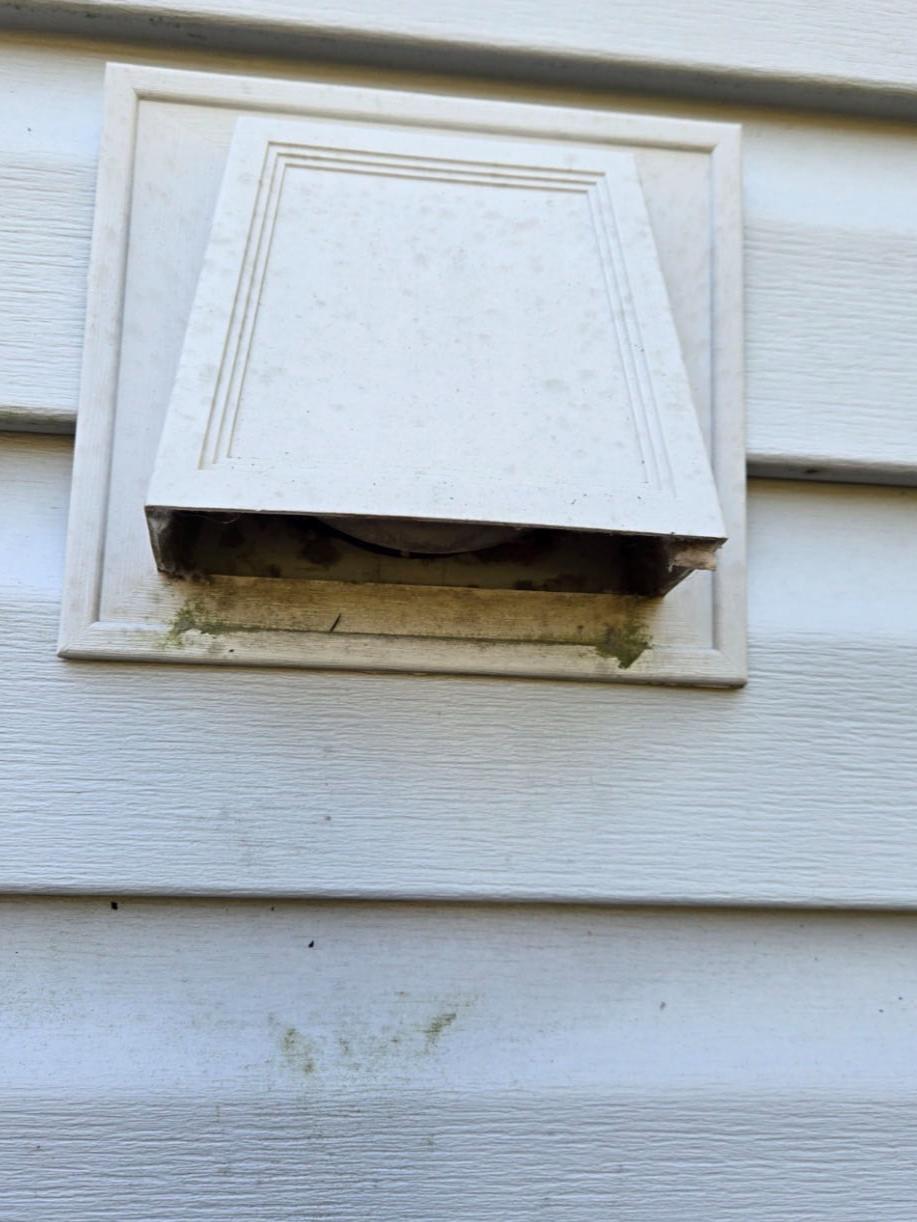
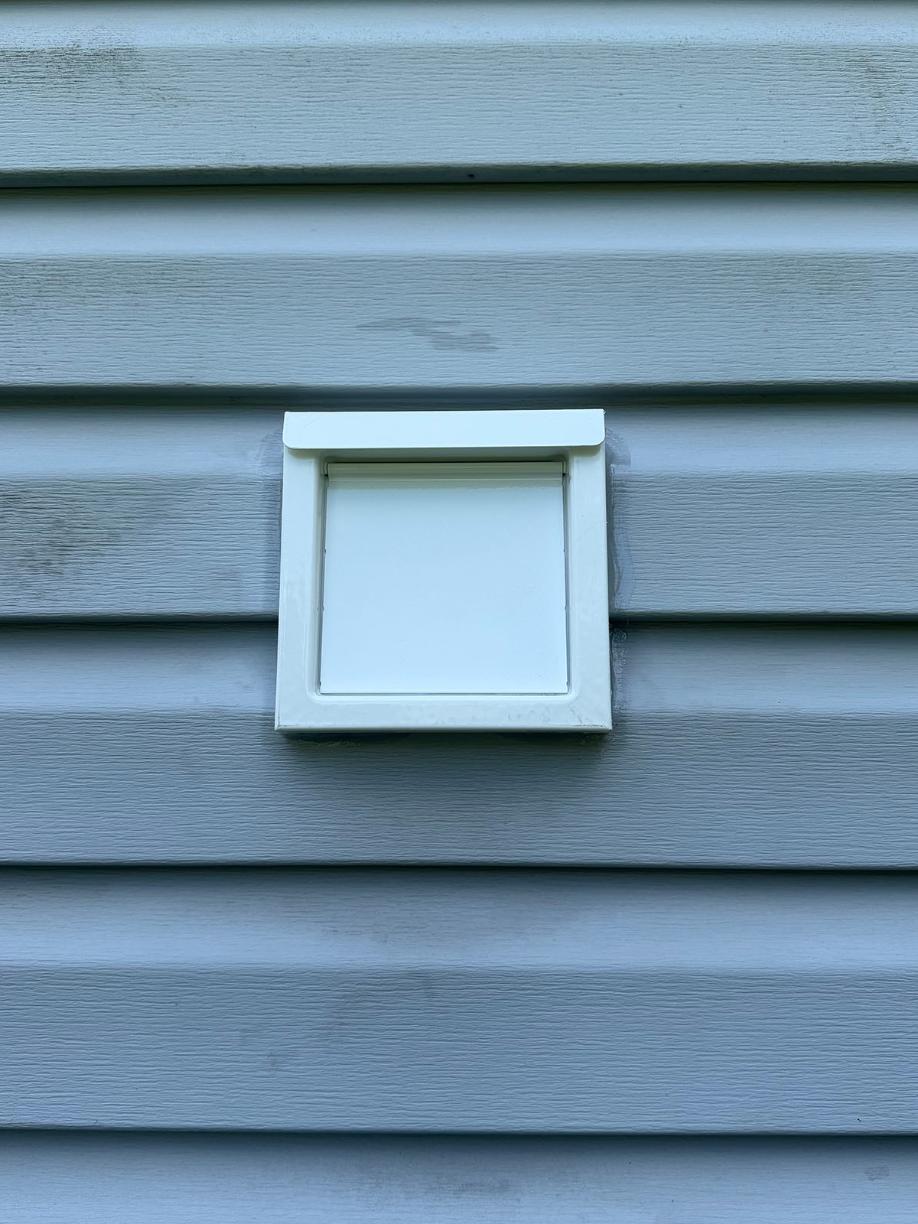
During a startup service for a new Home Protection Plan customer in Allenhurst, NJ we spotted an old and damaged exhaust vent on the side of the home. We spoke to the homeowner and they mentioned that they've been meaning to replace it for quite some time. So they were thrilled that we offered to do that for them!
So we removed the old exhaust vent and installed a DryerWallVent® over it. The DryerWallVent® is made out of heavy-duty galvanized steel and its large opening and angled damper provide maximum airflow efficiency for safe venting. Integrated magnets keep the damper closed when not in use, preventing rodents, birds, insects, and bats from entering the property through this area.
Pigeons Nesting Inside the Chimney in Ocean Grove, NJ


This customer in Ocean Grove, NJ had a rather unique situation - pigeons were nesting inside his chimney and making a huge mess! So we were sent out to safely remove them. In fact, a short while after setting up our retrieval devices, we were able to safely remove them from the home! We then carefully disinfected the chimney.
Although the pigeons were safely removed from the home, the chimney is still vulnerable to infestations from other nuisance birds and raccoons too. To solve this, we installed a chimney cap! This heavy-duty material is constructed out of 24 Gauge Top and Flange, and 18 Gauge Galvanized Mesh! It is designed to prevent access to the chimney from all nuisance birds and wildlife!

