
Before & After Photos
Click on a photo to enlarge.
Kneewall & Adjacent Wall Insulation and Air Sealing in Brielle, NJ
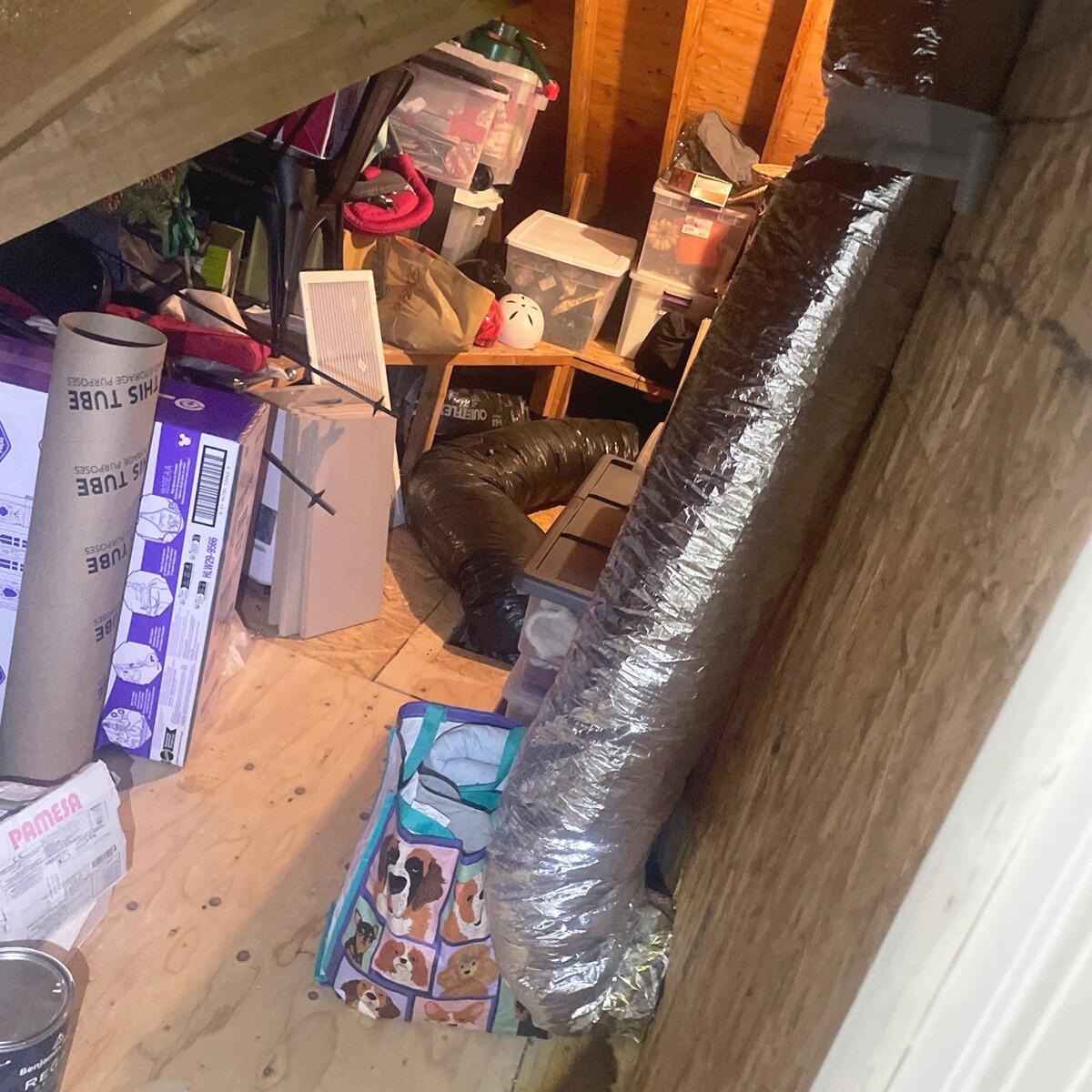
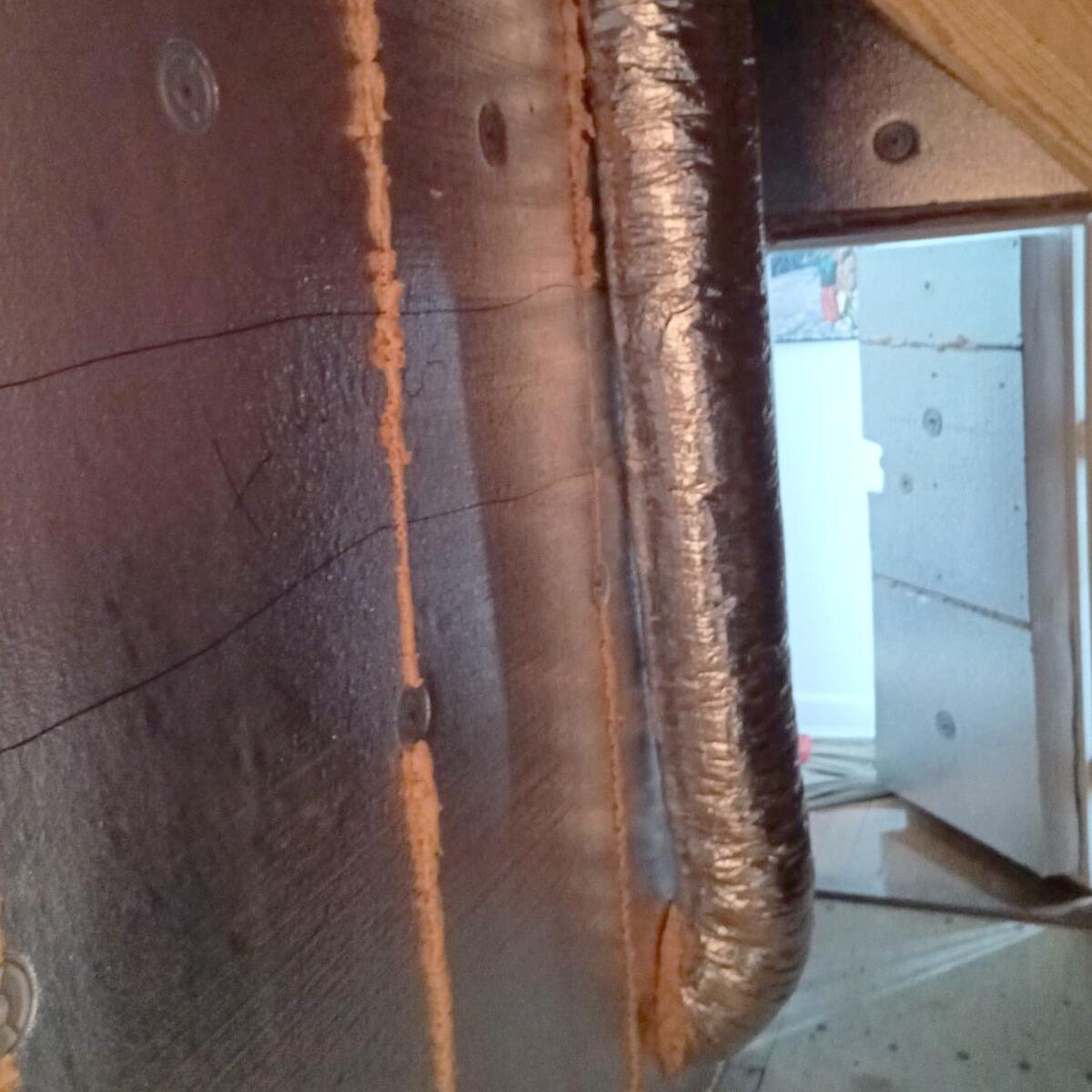
On a recent project in Brielle, NJ, we tackled a large kneewall and poorly insulated adjacent walls that were letting outdoor temperatures seep into the neighboring room. In winter, heated air escaped into the attic. In summer, hot air and radiant heat made the room uncomfortably warm. Both problems drove up the homeowner’s energy bills. To fix this, we installed SilverGlo foam board along the kneewall, the adjacent walls, and the access door, then used ZypFoam to air seal the cracks, gaps, ductwork, and the openings around pipes and wires. The space is now properly insulated and air sealed, so the homeowner gets more consistent temperatures, better comfort, and lower heating and cooling costs.
Insulating Church Rooms in Ocean Township, NJ


At the Church on the Hill in Ocean Township, NJ, we showcased our proficiency in applying building science. We removed the original and contaminated fiberglass insulation in the upper rooms' drop-down ceilings. Following this, we meticulously fitted protective liners to the wood frames before introducing TruSoft cellulose insulation through a blow-in process. This upgrade not only enhances insulation but also offers fire resistance and efficient moisture management without compromising its insulating ability. It underscores our dedication to implementing improved building solutions for larger projects.
SuperAttic Transformation Brings Comfort and Storage to Asbury Park NJ Home
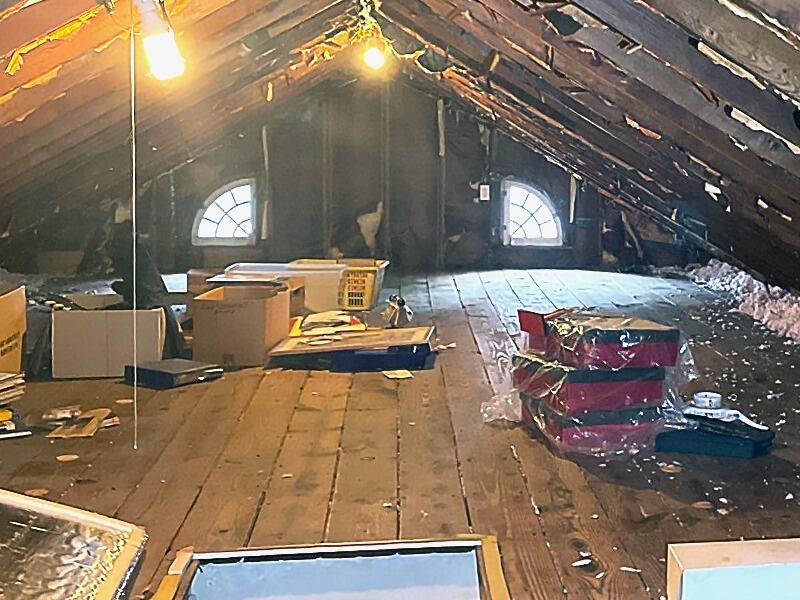
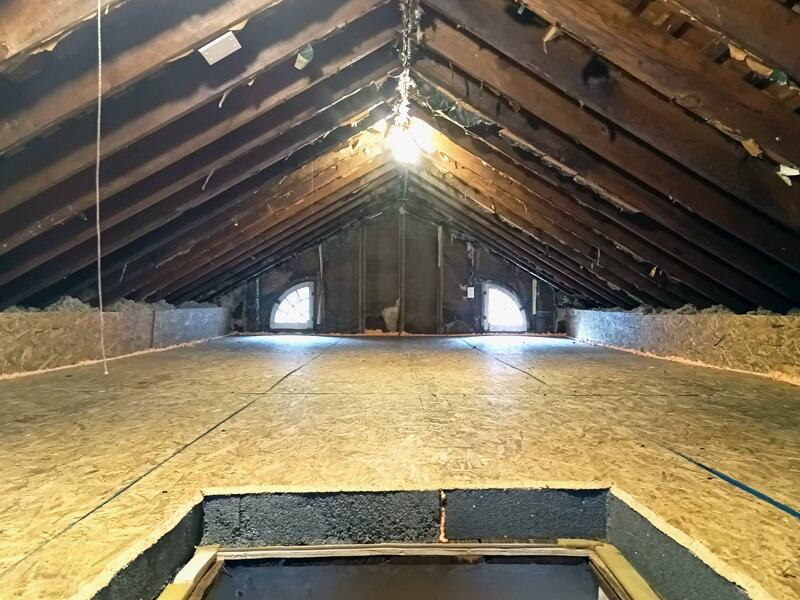
In Asbury Park, NJ, a homeowner was struggling with a drafty, uncomfortable home that was hard to heat and cool, along with poor attic storage conditions and limited usable space. Our solution involved creating a SuperDeck, which effectively insulated the home to maximize storage capacity. Initially, we blocked joist bays with foam boards, sealed them with spray foam, and air-sealed the attic floor. Next, we installed 4-inch SilverGlo foam boards across the attic's storage area, fastening them securely with screws. We then installed wood decking over the SilverGlo and sealed any gaps with air sealant. Finally, we constructed retaining walls to accommodate blowing in optimal R-60 TruSoft cellulose insulation throughout the rest of the attic. This comprehensive approach not only enhanced attic storage but also significantly improved home comfort and reduced energy costs for the homeowner.
Drafts & High Bills Fixed with Attic Insulation and New Storage Space in Asbury Park, NJ
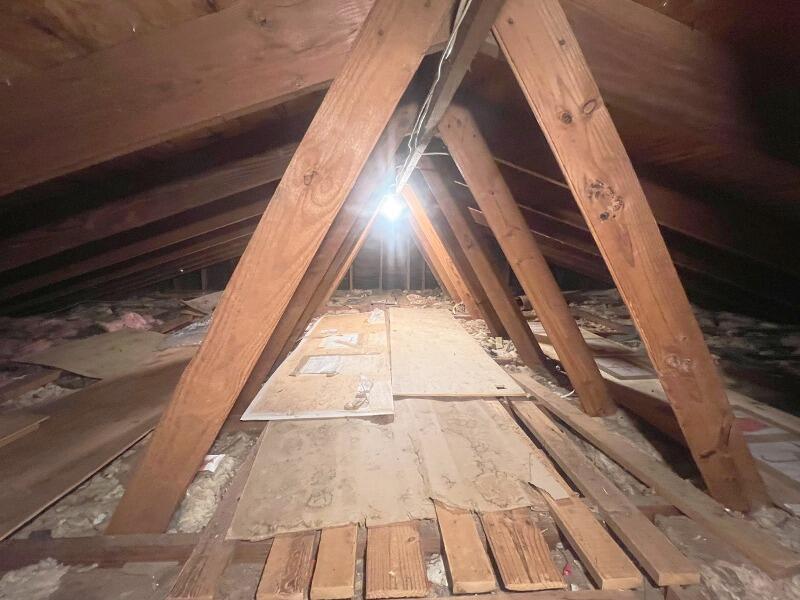
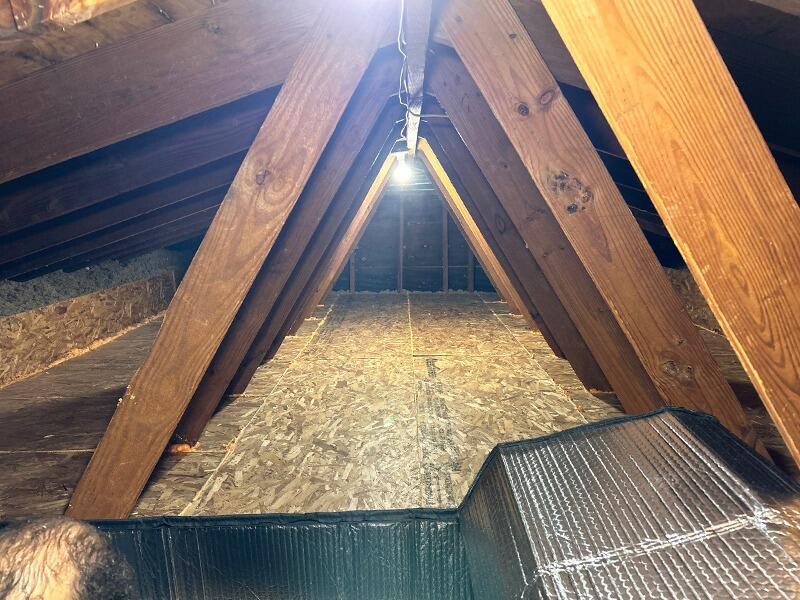
A homeowner in Asbury Park, NJ was dealing with cold drafts in the winter, high energy bills, and limited attic storage. After inspecting the attic, we found it wasn’t properly air sealed, allowing heat to escape into the attic and making it difficult to maintain consistent indoor temperatures. We sealed all cracks, gaps, and penetrations to stop the air leaks, then installed 4-inch rigid foam boards over the floor joists for a storage platform, sealing all seams and adding plywood decking on top. Retaining dams were installed around the storage area, and the remaining attic was insulated with blown-in TruSoft cellulose insulation to an optimal R-60 level. The result is a properly sealed and insulated attic, improved comfort, lower energy bills, and a clean, functional storage space.
SuperAttic in Asbury Park, NJ Protects Ductwork From Extreme Temperatures
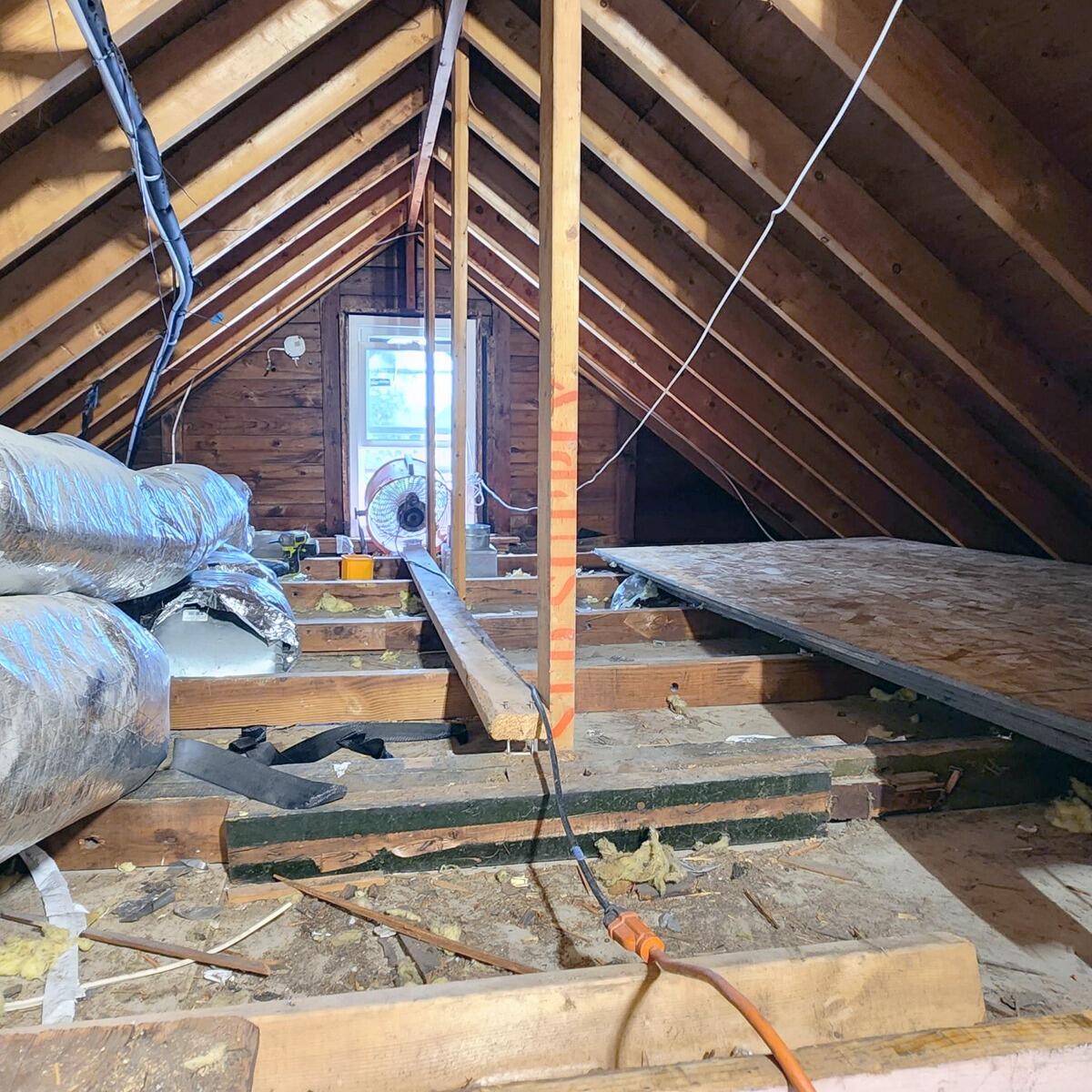
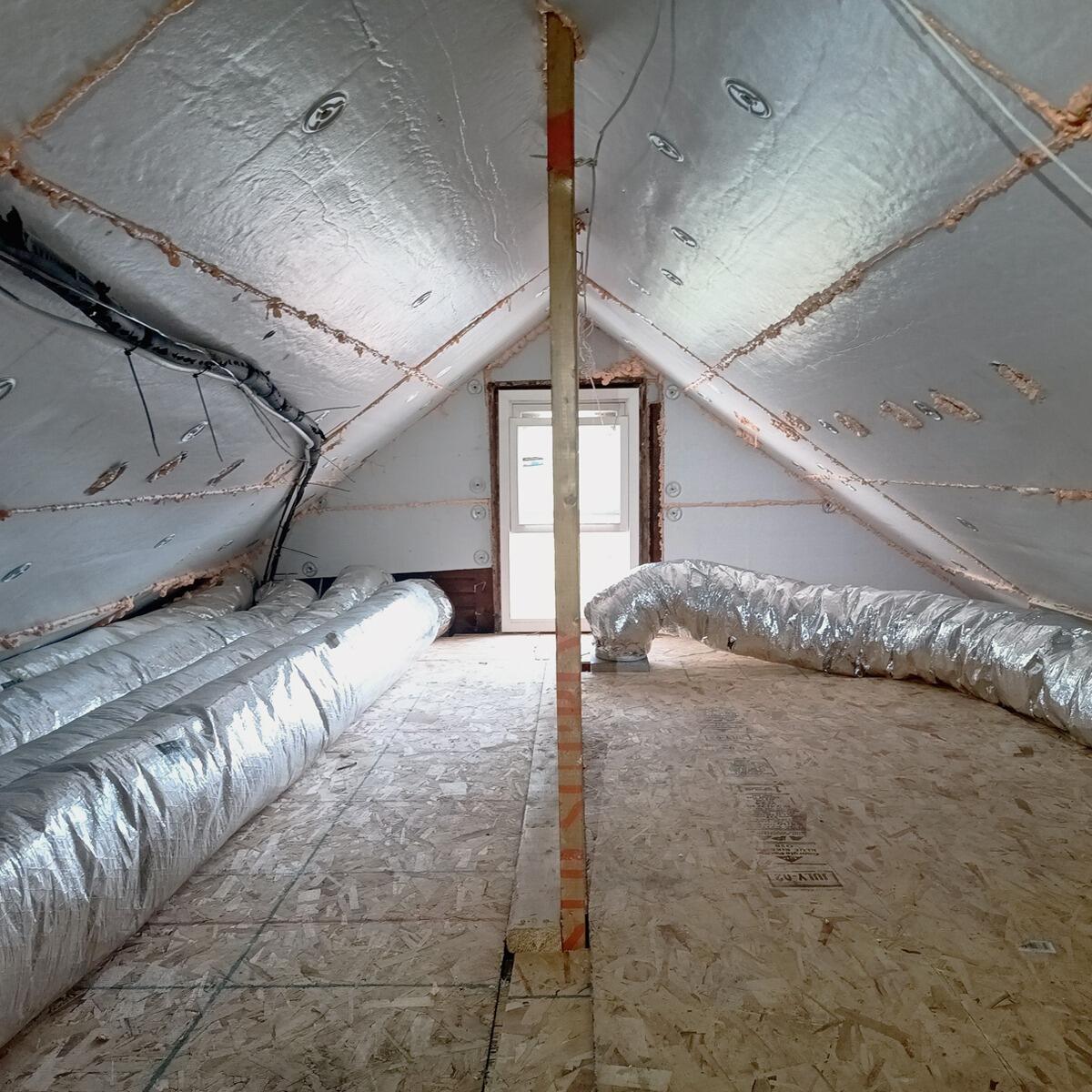
In Asbury Park, NJ, we created a SuperAttic to protect the homeowner’s ductwork and trunks from the extreme temperatures of an unconditioned attic. With little to no traditional soffit area in this older home, we spray foamed the top plates, installed Foamax along the roofline, draft-blocked the floor joists, and dense-packed insulation behind the Foamax to create a more conditioned, insulated attic space. Dense-packing behind the Foamax isn’t always necessary, but in this case, it was the best option for the home and homeowner. The result is an attic that stays cooler in the summer and warmer in the winter, helping reduce heat transfer to the ductwork while easing the workload on the HVAC system. The homeowner also gained a properly insulated, usable storage area with new decking—something the attic previously lacked.

