
Before & After Photos
Click on a photo to enlarge.
Freehold Home Upgraded with Air Sealing, Duct Encapsulation & R-60 Insulation
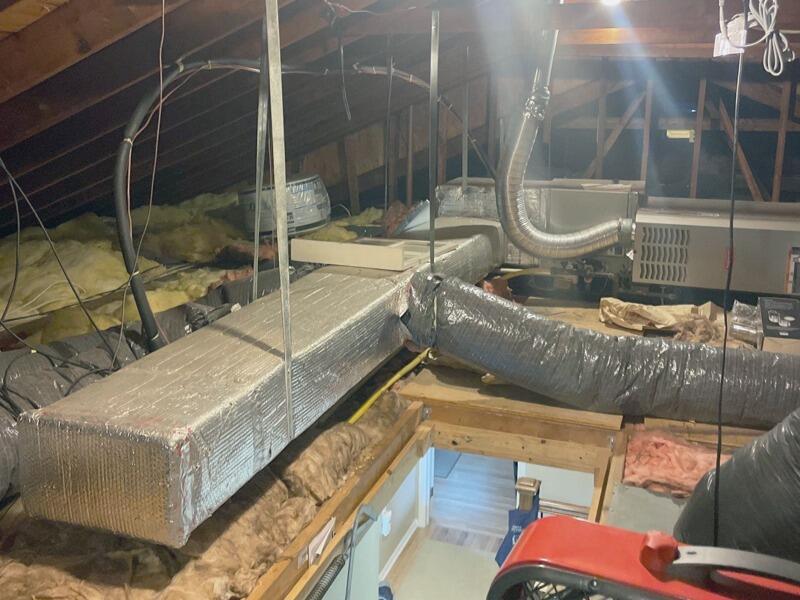
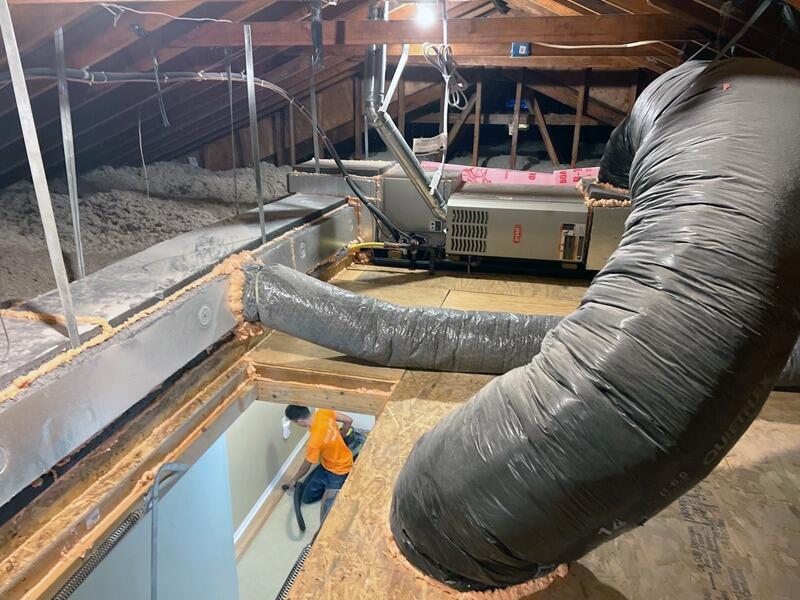
A homeowner in Freehold, NJ had an energy audit through the gas company, and because we participate in the NJNG SaveGreen program, they reached out for a closer look. After our own free inspection, we confirmed the attic needed air sealing and better insulation, and also found leaky, under-insulated ducts that were contributing to higher energy bills. We air sealed the attic, encapsulated the ducts with a radiant barrier to help reduce heat gain, sealed remaining duct leaks, and then blew in cellulose insulation to R-60, completing the project and helping improve comfort while lowering energy costs.
Optimizing Attic Space with a SuperDeck and Installation for Storage Space in Matawan, NJ
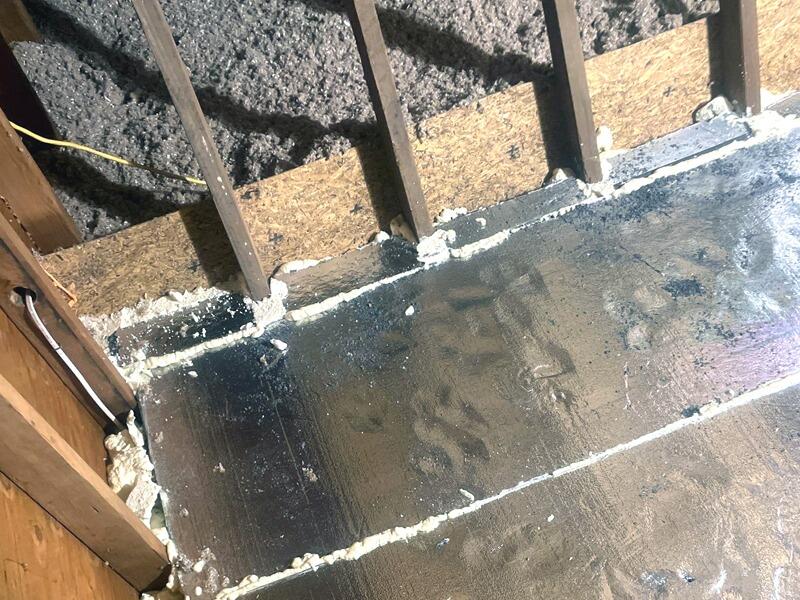
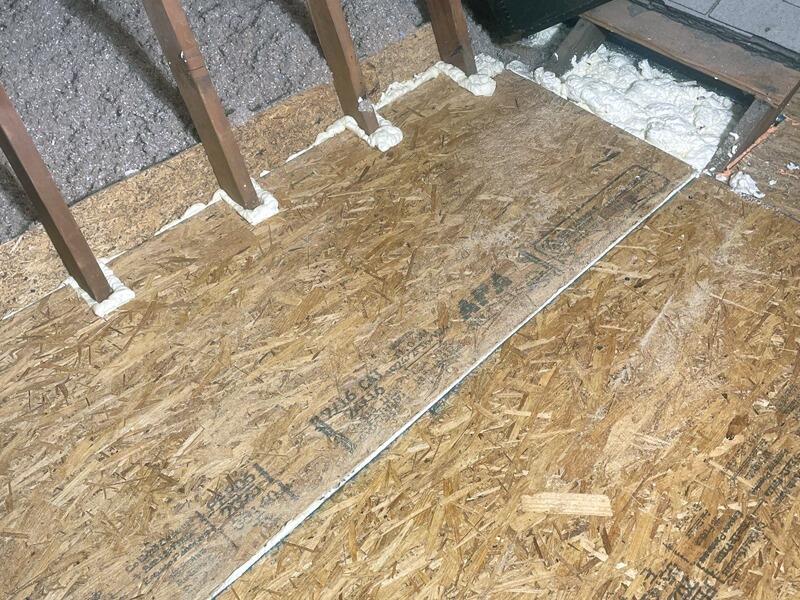
A homeowner in Matawan, NJ wanted to improve comfort, lower their energy bills, and gain usable attic storage. The small attic had exposed fiberglass insulation that offered little to no thermal protection. We installed a SuperDeck system to create both proper storage space and effective insulation in the attic. This included placing 4-inch SilverGlo foam boards on the attic floor, sealing all gaps, and adding retaining walls to separate the insulated areas. Plywood was placed over the foam to create a sturdy storage platform, with additional air sealing for maximum efficiency. TruSoft cellulose insulation was then blown in to the optimal R-60 level around the storage area. The result: a properly insulated attic with a dedicated storage space that helps protect stored items while improving the home’s comfort and lowering the owner’s energy bills.
SuperDeck Attic Upgrade Brings Energy Savings and Smarter Storage in Matawan, NJ
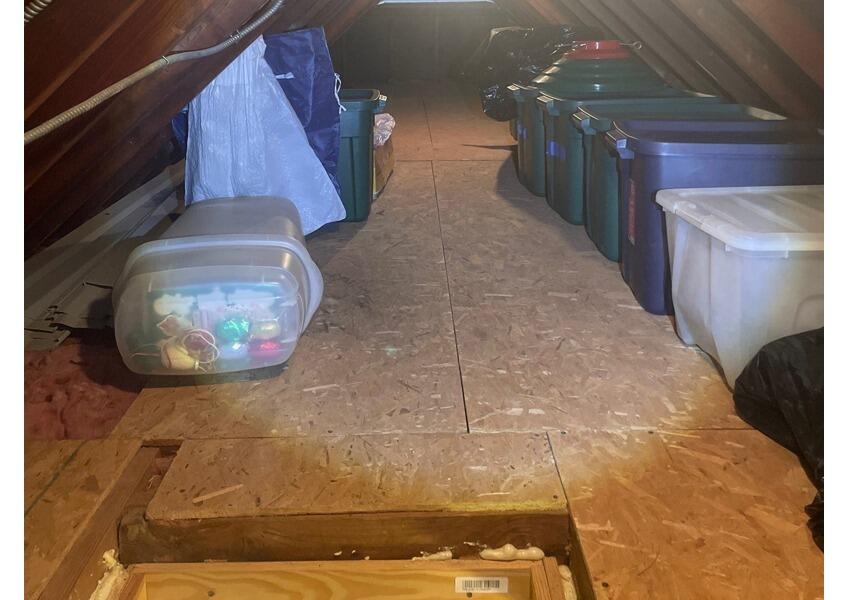
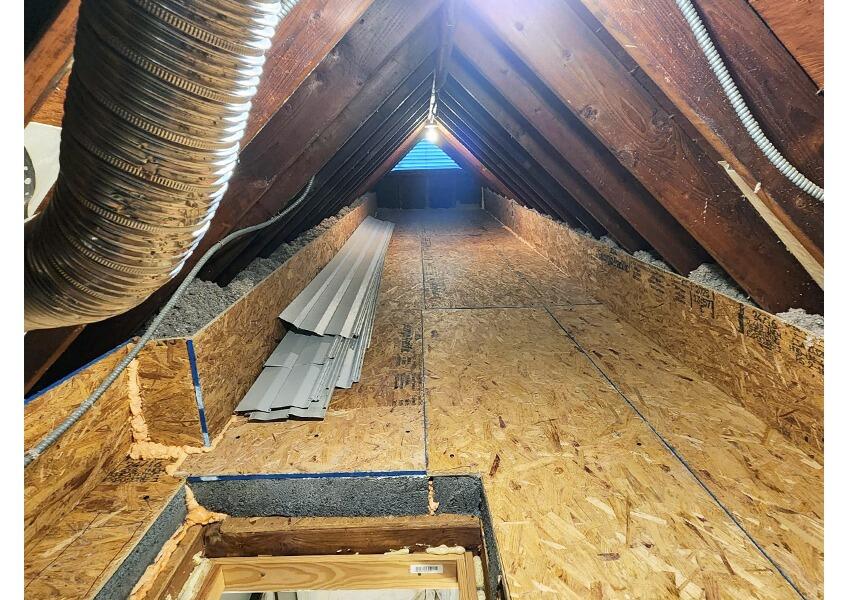
A homeowner in Matawan, NJ was experiencing uncomfortable temperature swings—too hot in the summer and too cold in the winter. Our evaluation revealed an attic that was poorly insulated, improperly ventilated, and not air sealed. These issues made the existing storage space ineffective and put stored items at risk of deterioration. To solve this, we built a SuperDeck system by installing 4-inch-thick rigid foam boards with a radiant barrier over the attic floor. Next we then air sealed the space and added wood decking on top to create durable, insulated storage. We also installed retaining walls, sealed the remaining decking, added vent baffles to ensure proper airflow, and blew TruSoft cellulose insulation throughout the rest of the attic. These upgrades improved comfort year-round, reduced energy bills, and created a healthier home and storage environment.
Attic Insulation and Mold Removal in Marlboro, NJ


Before:
This Kneewall Space in Marlboro, NJ, has old fiberglass insulation that’s trapped between the plastic liner and sheetrock. The plastic liner has created moisture or condensation that has formed mildew and mold on the sheetrock. We also have cold air that enters the attic kneewall space through leaky seams and fascia/soffit assemblies or through vents.
After:
Our crew removed all the old fiberglass insulation and plastic liners. We also sprayed the molded sheetrock with our Mold-X Neutralizer. This successfully eradicates the biofilm: the ‘lifeline’ for mold and bacteria.
Installing blocks of our SilverGlo foam insulation over the joist bay walls increases the R-value by 24% compared to regular EPS foam. Sealing the seams with our Orange ZypFoam completes this project. The results keeps hot or cold air in the Kneewall Space and prevents hot or cold air from seeping into the joining room.
Leaky Ceiling Box in Marlboro, NJ


We are in the homeowner’s attic looking at a leaky ceiling box in Marlboro, NJ. The ceiling box is anchored to the attic floor. A flexible truck connects to the end of it while the other end of the flexible trunk connects to the ducting system. Air passes through the trunk and into the ceiling box. Once air enters the ceiling box it passes through the ceiling vent into the room below. Unfortunately this ceiling box was never air sealed. Looking at the fiberglass insulation around the ceiling box we can tell air is leaking into the attic because of the dirt built up in the fiberglass. This also means dirt and fiberglass particulates are contaminating the rooms below potentially creating harmful or hazardous air to breath. Air the owner is paying for is leaking into the attic costing the owner more money to heat or cool their home. To solve this issue we use orange ZypFoam sealant and air sealed the seams to prevent air from leaking into the attic.
This homeowner now has a more comfortable and energy efficient home.

