
Before & After Photos
Click on a photo to enlarge.
New gutters on investment property in Weirton, WV


A local property manager contacted Gutter Shutter by Home Environment Solutions to help with one of his rental houses in Weirton, WV. The gutters on his rental property were damaged and sagging. The Gutter Shutter by Home Environment Solutions team arrived and got to work removing the old gutters and installing a new Gutter Guard system.
Make Weirton Wv home more comfortable year round.
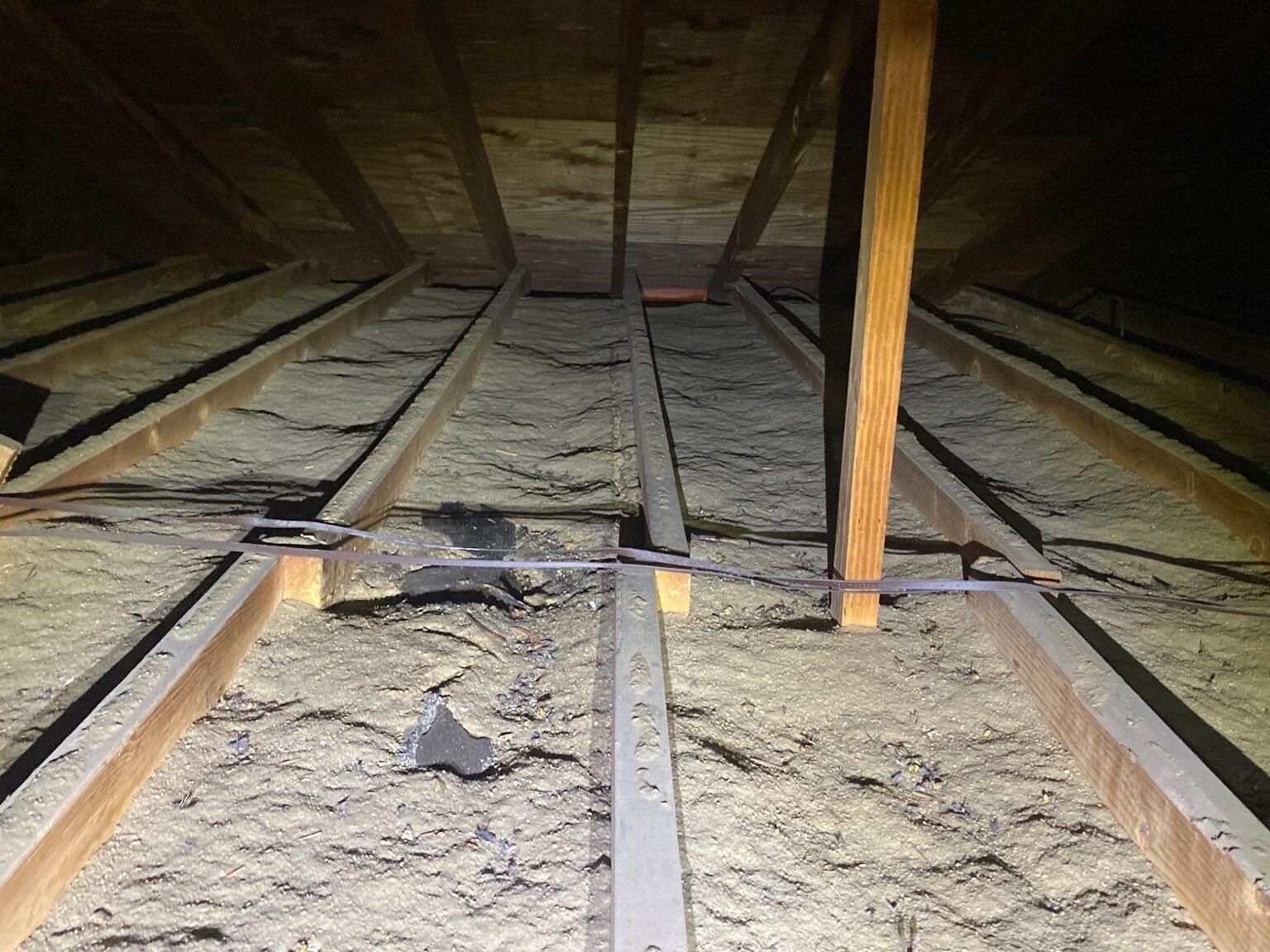
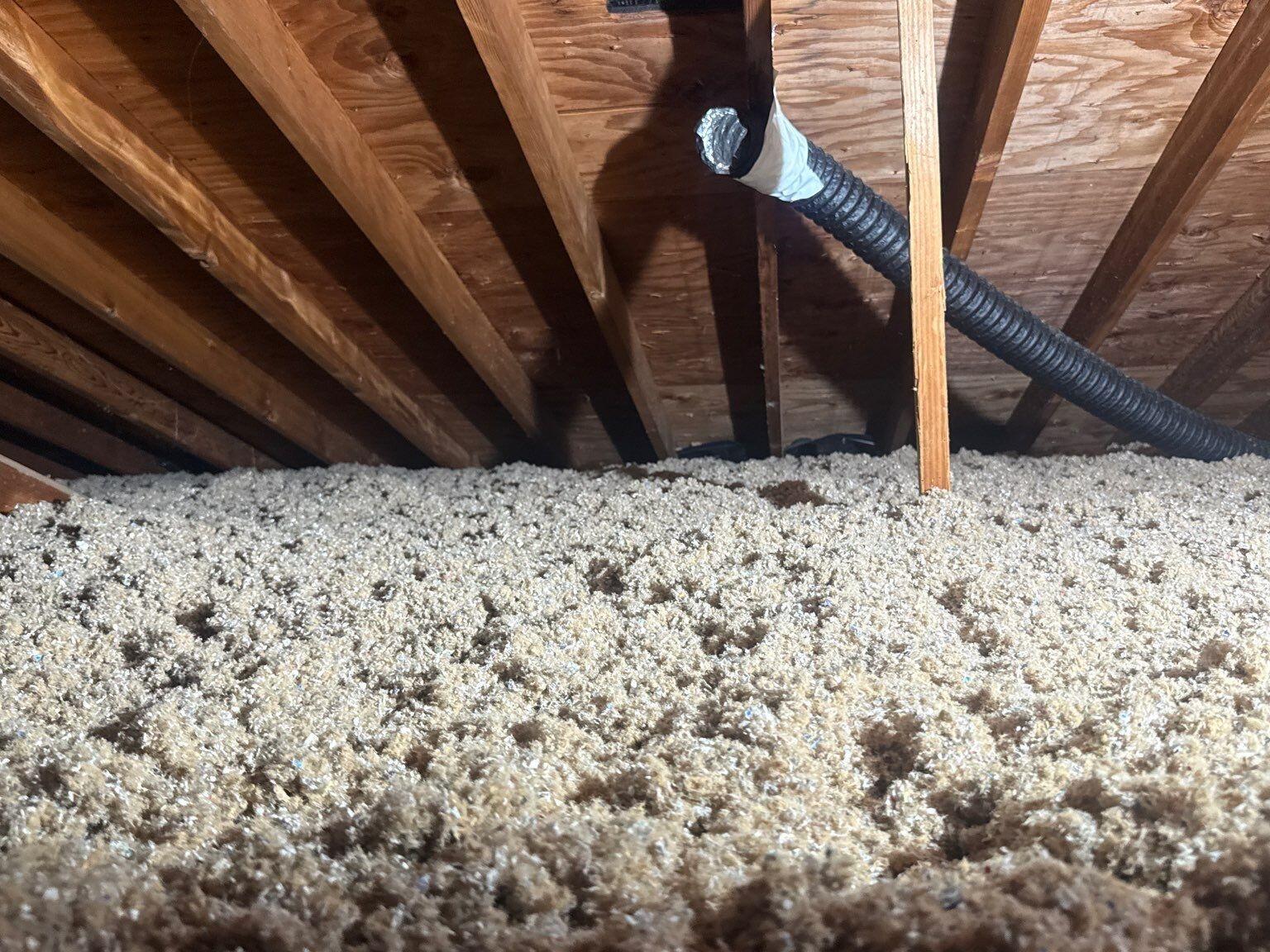
Nick called from Weirton Wv called Home Environment Solutions saying that he would like to make an appointment for someone to determine why his upstairs stays warm in the summer and colder in the winter. So we sent our expert Russ to his home to perform a free home energy audit. When Russ arrived he found old rock wool loose insulation, unsealed pipe and wire runs and no insulation on the scuttle cover.
Our insulation team removed all the old rock wool insulation and disposed of it. Air sealed and insulated scuttle cover with Silverglo. Installed a layer Of 4'' SilverGlo along attic deck then covered with 3/8'' board. Sealed chimney chase with metal flashing, fire caulk and wrapped with rock wool sleeve. Upgraded Ceiling Over Shower/ Bath by covering opening with wood or foam boards and sealed with ZypFoam expandable foam. Air sealed attic assembly and all accessible penetrations with Zypfoam. Installed Trusoft cellulose on attic floor.
Air sealing and insulation upgrade in attic in Weirton, WV
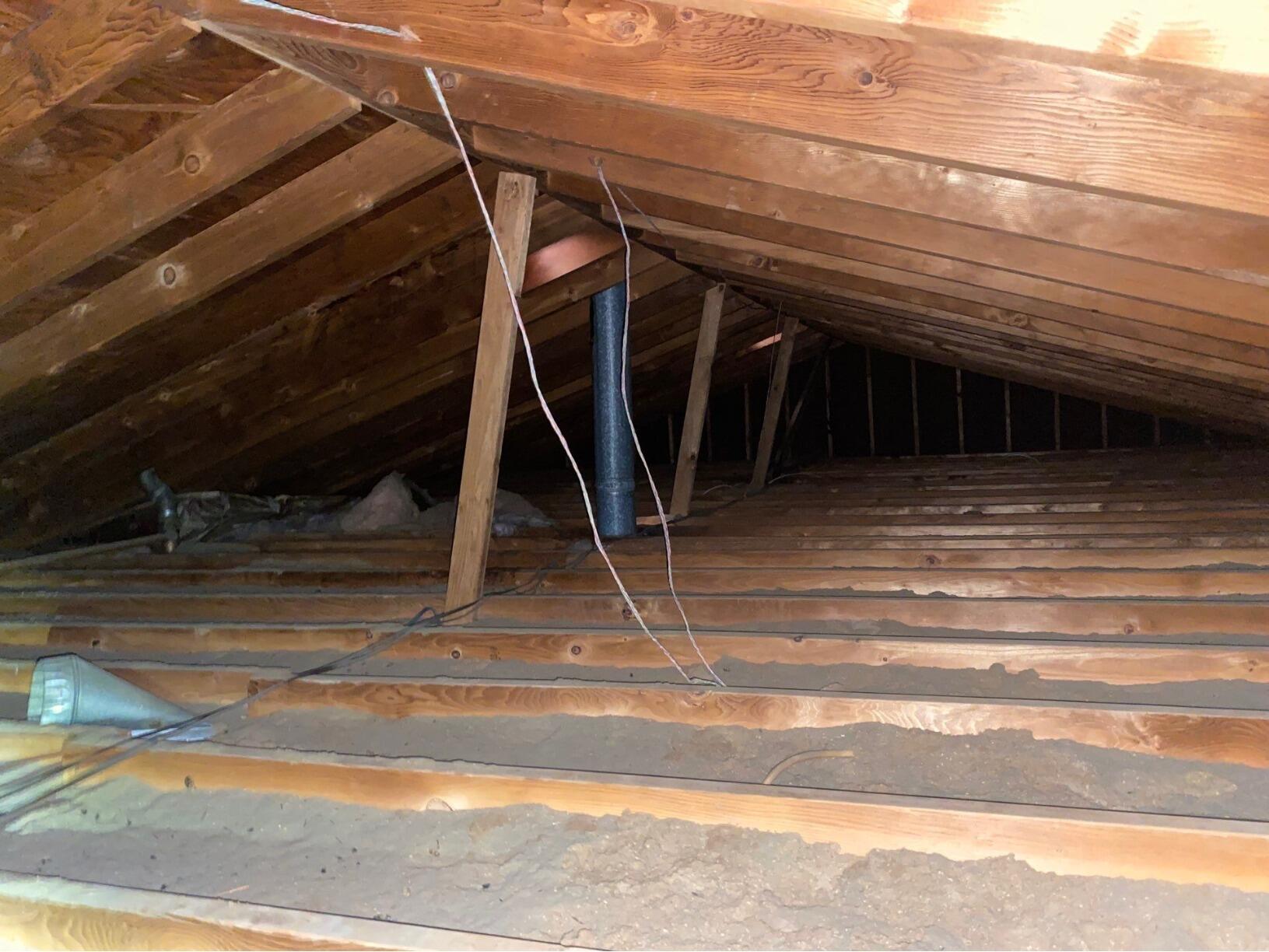
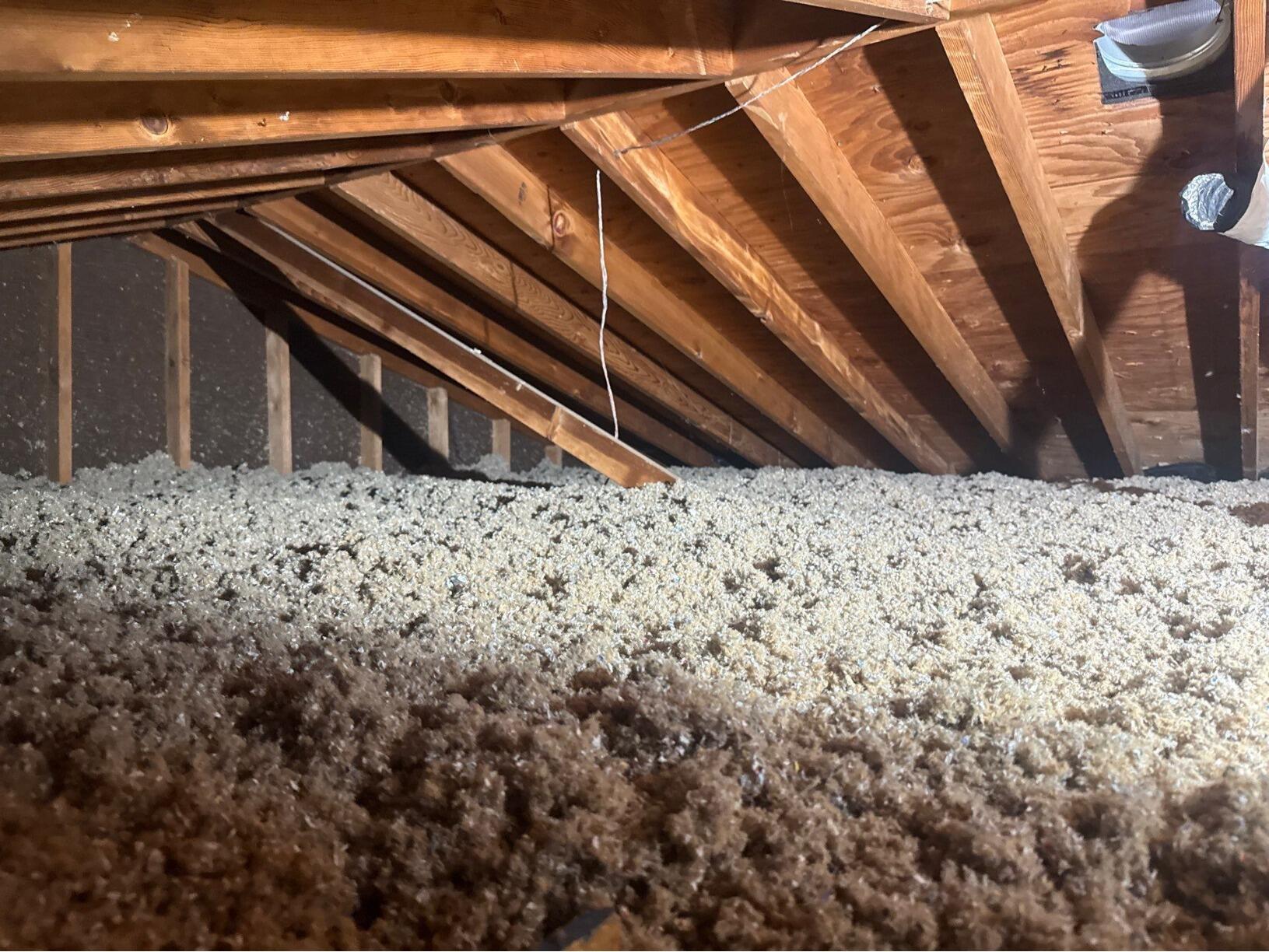
Homeowner Nicholas requested a solution to reduce high energy bills and improve comfort in a two-story residence. Inspection revealed significant thermal losses through the attic plane, particularly around the kitchen soffit, bath ceiling, and access points.
The scope of work included air sealing and insulating the attic and scuttle cover to better improve the building envelope, using Zypfoam. Prepping and sealing of the metal chimney with FireCaulk and a RockWool sleeve and upgrading and insulation of the ceiling over the shower/bath helped to minimize air transfer. Additional air sealing was done with the installation of TiteShell can light covers.
These measures reduced conductive and convective heat loss, improved HVAC performance, and stabilized temperature differentials between floors. The completed project delivers measurable gains in comfort, air quality, and energy efficiency.
Fixing ice dams and rebuilding an under insulated attic in Weirton, WV 26062
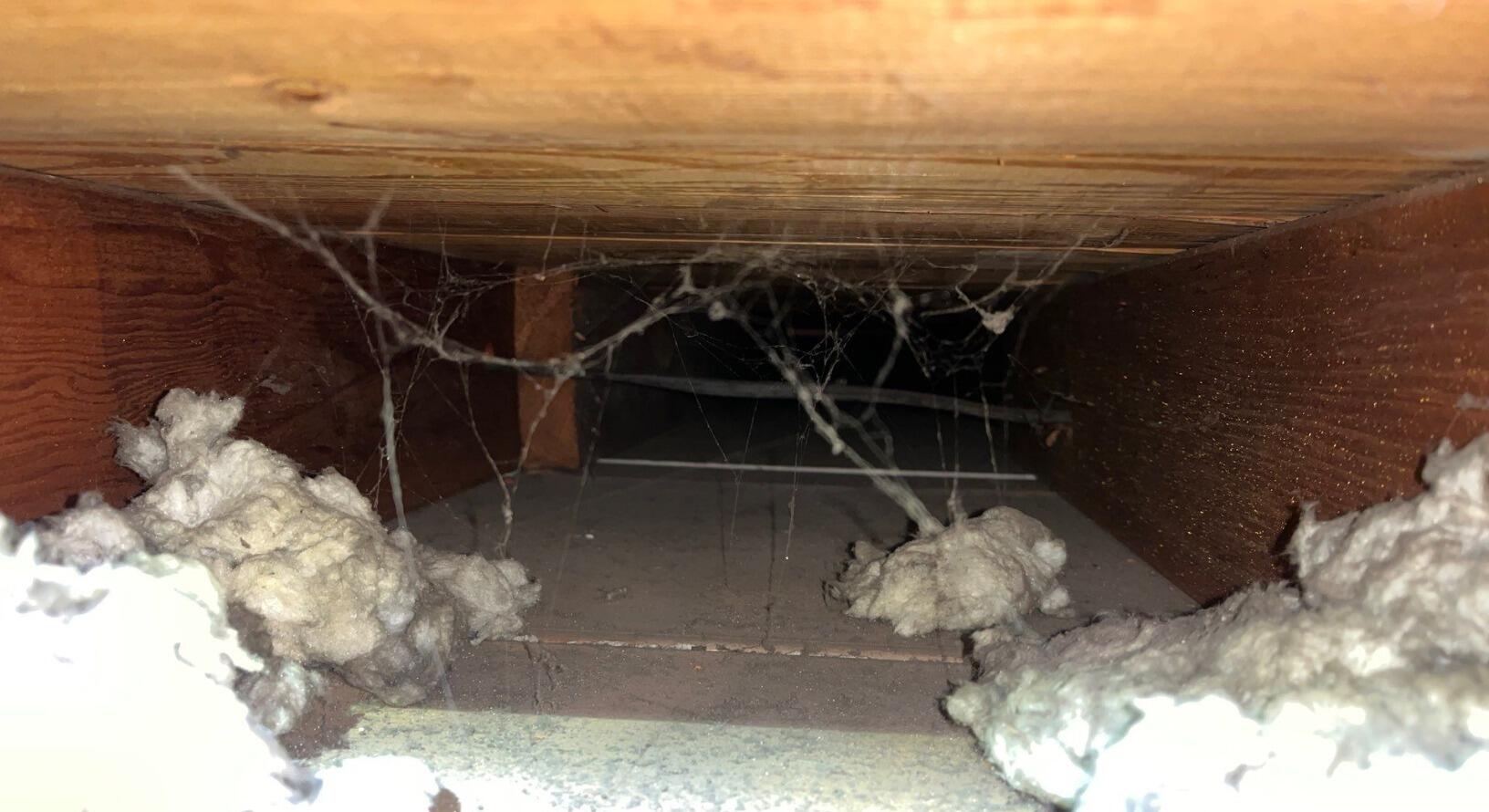
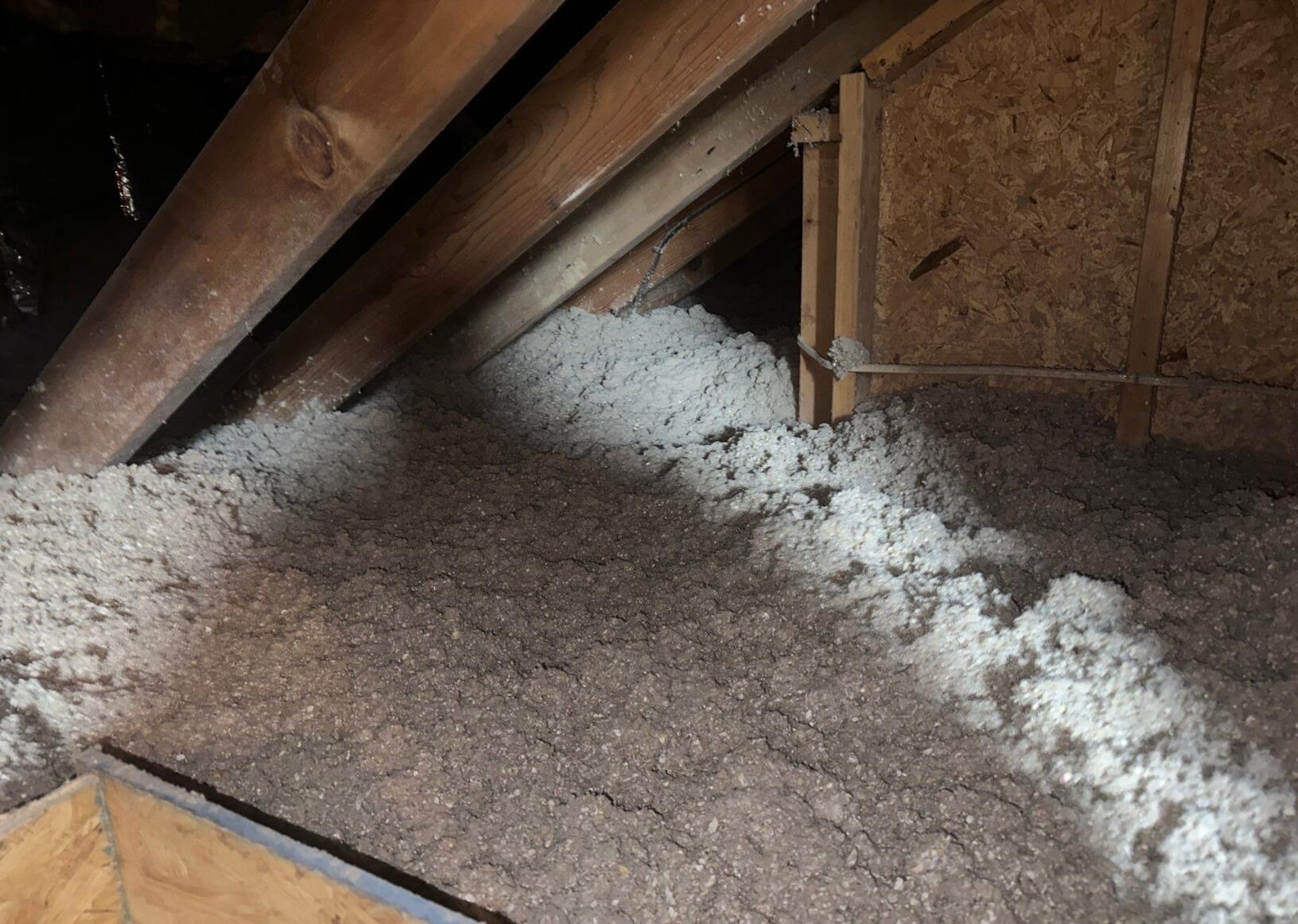
Sam reached out after dealing with cold floors, high energy bills, and major temperature swings upstairs. On top of that, ice damming started forming along the roofline; one of the biggest signs that heat is escaping into the attic.
When we evaluated the home, we found the root of the problem: very little insulation in the attic and multiple air leakage points. Without enough insulation and proper air sealing, warm air rises into the attic, melts snow on the roof and causes ice to refreeze at the edges creating ice dams.
Our team focused on rebuilding the attic system from the ground up. We sealed attic air leaks, sealed top plates and soffit areas, addressed chimney-related leakage, and insulated the attic access opening. Then we installed proper insulation levels to create a strong, consistent thermal barrier.
By stopping air movement and adding the right amount of insulation, we were able to control heat loss at the source. Now the attic is properly sealed and insulated, the home holds temperature more consistently, and the conditions that cause ice damming have been significantly reduced.
Lowering Energy Costs and Making a Home More Comfortable in Weirton, WV 26062
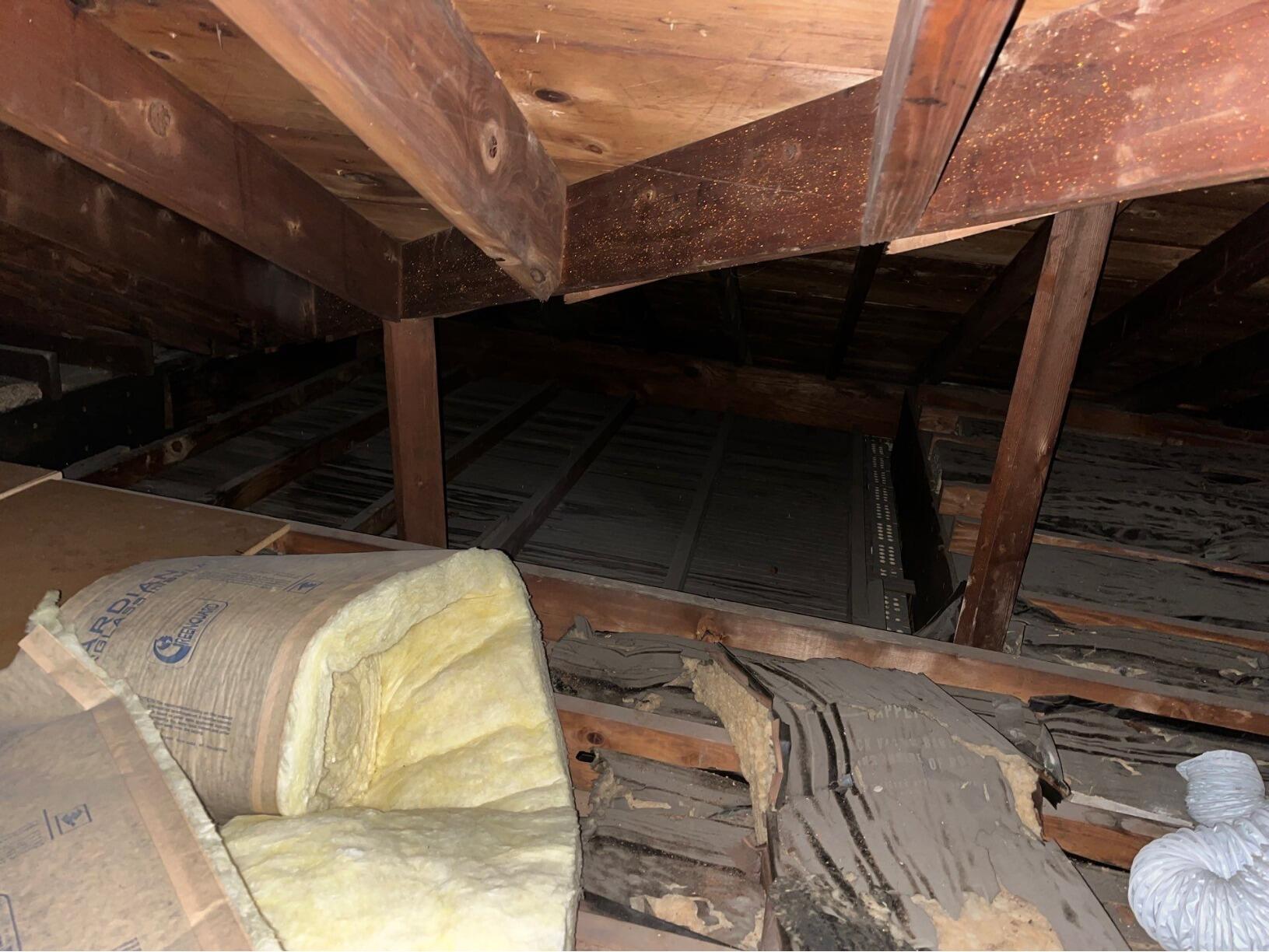
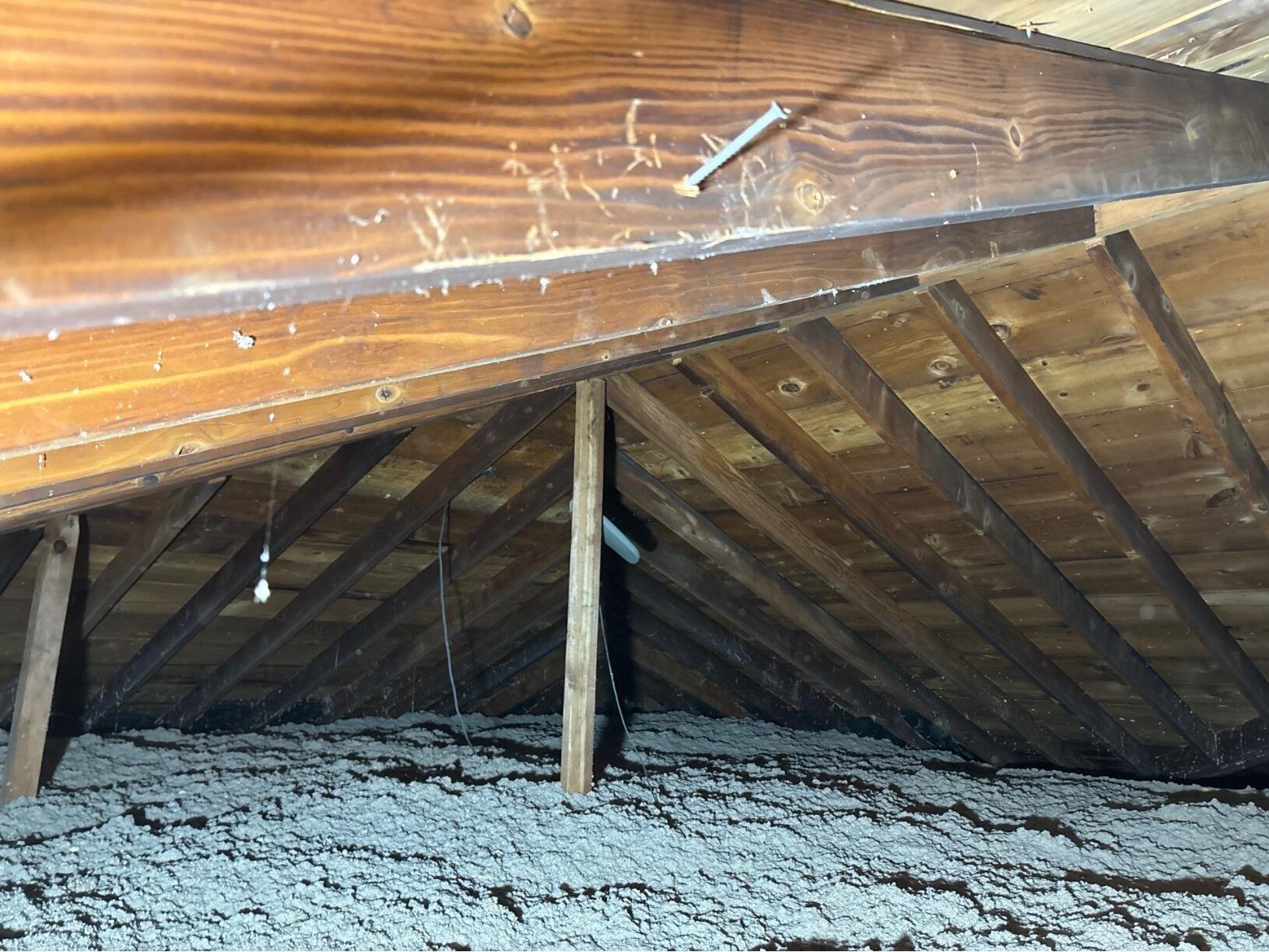
Rick reached out because the second floor of his home was difficult to keep comfortable. Like many two-story homes, the upstairs would get too hot in the summer and struggle to maintain consistent temperatures throughout the year. On top of that, high energy bills suggested the home was losing more conditioned air than it should.
When we evaluated the attic, we found several air leakage pathways allowing heat and conditioned air to move freely between the living space and the attic.
One area that required special attention was where the attic transitioned over the front and rear porch sections of the home. These areas are often overlooked during insulation projects and can become major sources of energy loss if they aren't properly separated from the conditioned space.
Our team sealed attic air leaks, sealed top plates and penetrations, insulated the attic access opening, and addressed airflow around the soffit areas. We also built insulation dams along the front and rear porch wall transitions to ensure insulation stayed where it belonged and provided continuous thermal protection.
By creating a stronger thermal boundary and reducing uncontrolled airflow, we helped the attic perform the way it was designed to. Now the upstairs stays more comfortable, temperatures are more consistent throughout the home, and energy efficiency has improved.

